
Game development studio
Mad Camel Studio
Game projects need their own rhythm: screenshots, store links, rules, mood and player-facing language. This area keeps them separate from the software tools so the games can sound like games.
Game concepts
Playable loops, progression, challenge structure, input feel and product presentation.
Visual direction
Art direction, interface mood, screenshots and public pages that make each game recognizable.
Public product paths
Store links, game pages, media assets, release status and player-facing information kept in a clean game-focused path.
Game projects
Classic art puzzles and mobile precision timing.
Retro Puzzles is the public Steam-listed title. .panic is the newer mobile timing project built around short sessions, shared seeds and clean competitive pressure.

Steam-listed art puzzle game
Retro Puzzles - Eviva L'arte
Retro Puzzles - Eviva L'arte turns classic paintings into a structured jigsaw journey through artists, regions and a growing gallery of completed boards.
- 225 painting puzzles across 45 artists and 9 world regions.
- Progression through artists, regions and difficulty tiers.
- Artist notes, hint support and offline-friendly single-player play.
- Steam page available for wishlisting and following the release.
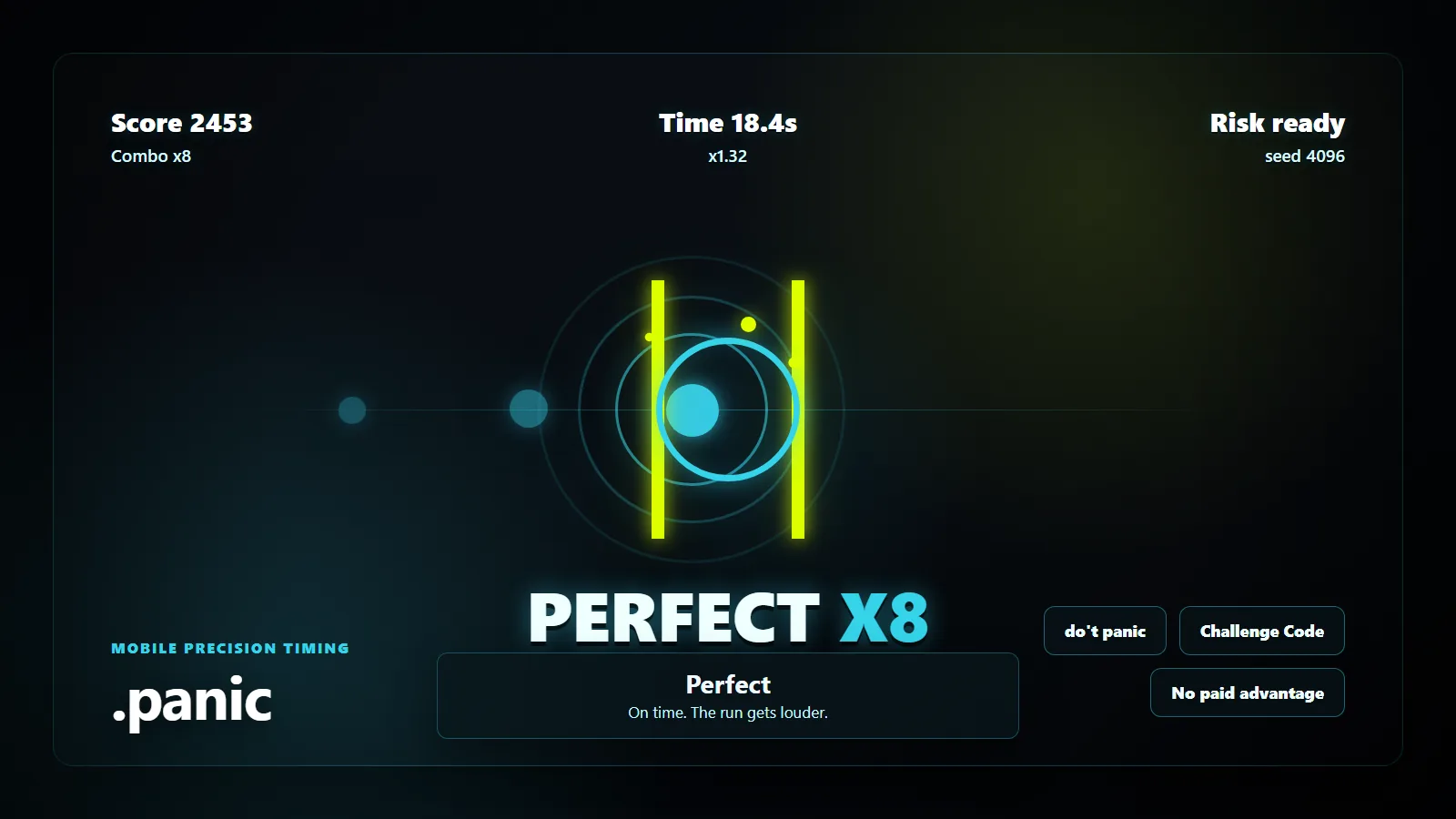
Mobile timing game in development
.panic
A compact timing game about one moving dot, one visible target and one tap that has to land at the right moment.
- Built for mobile-sized sessions.
- Same-seed challenges make runs easy to compare.
- Replay, score and seed make competition readable.
- No paid gameplay advantage in the product direction.
Creative position
Where the company can be less polite.
The software pages are about utility. The game pages are where interaction, mood, illustration and play can take more space without pretending to be an enterprise dashboard.
Studio direction
Games with their own product home.
Current and future games stay separate from the business software line, with enough room for stronger visuals and more direct player language.
Steam-ready pages
Game pages should connect screenshots, store links, release state, product facts and player-facing language.
Mobile-ready concepts
Short-session games need readable UI, strong feedback and a reason to retry.
Visual material
Artwork, captures, logos and interface states should carry the game identity.
Future titles
New game projects can be added without changing the software product structure.